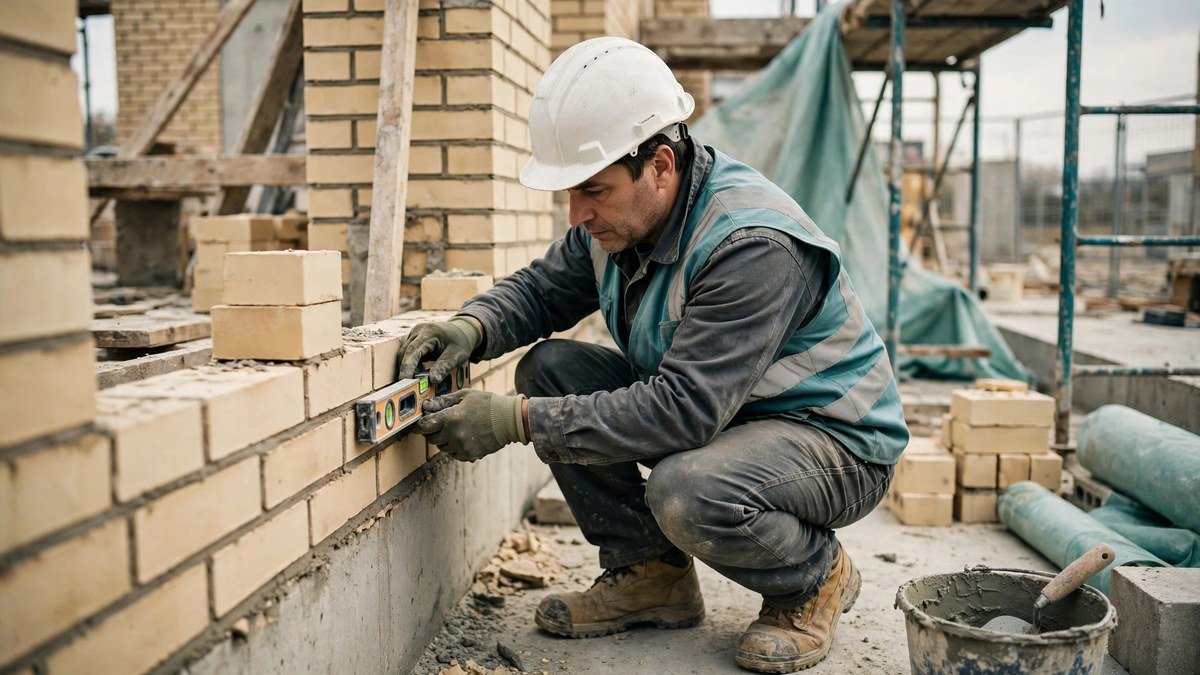
Talk to any electrician, mason or site worker with twenty years behind him and he will tell you the same thing: the accidents that hurt people are rarely dramatic. They are ordinary — a wire that was supposed to be off, a ladder foot on loose sand, a helper standing under a load, a long day in June heat without water. This guide collects the safety habits that actually prevent those accidents on Pakistani homes and small sites. It is not a substitute for proper training or for the law; it is the daily discipline that keeps a worker healthy enough to keep earning.
Rule one: isolate before you touch any wire
Electricity gives no warning and no second chance, so the rule is absolute: before your hands go near any conductor, switch the circuit off, and then prove it is off. Use a tester on the wire itself — not on the switch, not on your memory of which breaker feeds what. On shared boards and older houses, circuits are often mislabelled or cross-connected; the only fact you can trust is the tester in your hand. Where possible, lock the breaker or tape it in the off position and tell everyone on site that work is in progress, so nobody helpfully switches it back on.
Two more habits save lives. Never work on live wiring to "save time" — the minutes saved are never worth the risk, and a professional customer respects a worker who insists on isolation. And never bypass a breaker, fuse or earth connection to make something work: those devices are the only thing standing between a fault and a fire or a fatal shock. If a breaker keeps tripping, find the fault; do not remove the protection.
Protective gear: the kit that earns its keep
- Helmet: on any site where anything can fall — tools, bricks, rods, debris. A cheap helmet beats a serious head injury every time.
- Safety shoes: steel-toe or sturdy closed shoes protect against nails, rods, falling blocks and sharp offcuts. Open sandals on a site are an injury waiting for a date.
- Insulated gloves: for electrical work, use proper insulated gloves in good condition — cracked or wet gloves protect nothing. Check them before use.
- Eye protection: cutting, grinding, chipping and drilling throw particles at your eyes. Safety glasses are light, cheap and non-negotiable for such tasks.
- Dust mask: cement dust, wall cutting and sanding damage lungs slowly and silently. A proper mask matters most on the jobs that feel harmless.
- Harness: for work above roughly two storeys or on open edges, a harness anchored properly is the difference between a slip and a funeral. If no anchor exists, the job needs re-planning, not bravery.
Gear only works if it is worn and in good condition. A helmet hanging on a nail, gloves with holes, and a cracked visor are decorations. Inspect your kit weekly, replace damaged items promptly, and set the example for helpers — they copy what the senior worker does, not what he says.
Ladders, scaffolding and work at height
Falls are among the most common serious injuries in construction, and almost all follow the same few mistakes. A ladder must stand on firm, level ground — never on loose sand, bricks or a drum — at roughly a 75-degree angle, extending at least a metre above the landing point, and it must be held or tied at the top. Keep three points of contact (two feet and one hand, or two hands and one foot), face the ladder while climbing, and never carry a load that unbalances you; haul tools up with a rope instead. Aluminium ladders conduct electricity: never use one near live overhead lines.
Scaffolding deserves the same respect: planks must be whole, level and secured, guardrails belong on open sides, and nobody works below a platform where material is being handled above. Before starting each day, take two minutes to walk the scaffold and the ladder and look for what changed overnight — rain, wind and other trades move things.
Tools, gas lines and hidden dangers
Power tools cut, drill and grind without caring what is in front of them. Check cables for damage before use, keep guards on grinders and saws, unplug tools before changing bits or blades, and never carry a tool by its cable. Keep blades sharp — a blunt blade needs force, and force is what causes slips. Store cutting tools covered, and keep children and bystanders away from the work area, especially on home jobs where family members walk through.
Gas lines deserve special caution: never test for a gas leak with a flame — use soapy water and watch for bubbles. If you smell gas strongly, do not switch anything electrical on or off, ventilate the area, leave, and call for help. And before cutting into any wall or floor, check what runs inside it: older houses hide live wires and water pipes in surprising places, and a blind cut can flood a room or electrify a tool.
Heat, dust and long days
Pakistani summers injure more workers than most people realise. Heatstroke builds quietly: headache, dizziness, nausea, confusion, then collapse. Prevent it with water before you feel thirsty, shade breaks during the hottest hours, light clothing, and a hat — and watch your helpers, who may not complain until it is too late. If someone shows signs of heatstroke, move them to shade, cool them with water, and get medical help; do not leave them to "sleep it off."
Dust is the slow injury. Cement, wall cutting and wood dust damage lungs over years, and the damage does not reverse. Wear a proper mask for dusty work, cut wet where possible to suppress dust, and wash up before eating. Fatigue is the third quiet danger: a tired worker makes the mistakes a fresh one avoids. Long days happen, but the riskiest tasks — live-adjacent work, height work, heavy lifts — belong in the fresh hours, not at the end of a fourteen-hour day.
First aid basics every worker should know
- Electric shock: never touch the victim while they are still in contact with the source. Switch power off first, or separate them with a dry wooden stick or other non-conducting object. Then call 1122 and begin first aid if trained.
- Bleeding: press firmly with a clean cloth and keep pressure on; raise the injured limb if possible. Do not remove embedded objects — bandage around them and get help.
- Falls: if a fall victim may have hurt their back or neck, do not move them unless there is immediate danger; call for help and keep them still.
- Burns: cool with clean running water for several minutes. Do not apply toothpaste, oil or ice directly.
Keep a basic first-aid box on every job — clean bandages, antiseptic, tape, scissors and a charged phone with 1122 saved. And learn proper first aid properly: a half-day course from a recognised provider is one of the best investments a worker can make, for his team and his family.
Homeowners: how to hire safely
If you are hiring rather than doing the work, safety is still your business. Ask whether the worker isolates circuits before working, and be suspicious of anyone who cheerfully works on live boards. Provide clear access, keep children away from the work area, and never pressure a worker to skip a safety step to finish faster. A worker who refuses an unsafe shortcut is protecting your house as well as himself — that refusal is a recommendation, not an insult.
Frequently asked questions
What is the single most important electrical safety rule?
Isolate before you touch. Switch off the circuit, lock or tape the breaker if you can, and test with a tester that the wires are dead before your hands go near them. Most fatal electrical accidents happen on circuits the worker assumed were off.
Do I really need a helmet and safety shoes for small jobs?
Yes. Head injuries from falling tools and foot injuries from nails, rods and dropped material happen on small jobs just as on big sites. A helmet, safety shoes, gloves and eye protection are cheap compared with a hospital visit — and customers trust a worker who works professionally.
What should I do if someone gets an electric shock?
Do not touch the person while they are still in contact with electricity. Switch off the power first, or push them away with a dry wooden stick or other non-conducting object. Then call emergency help (1122 in Pakistan) and start first aid if you are trained. Speed matters, but touching a live victim helps nobody.
When should I refuse a job on safety grounds?
Refuse or pause whenever the work cannot be done safely: live wires that cannot be isolated, a roof or scaffold that is unstable, missing protective gear for a risky task, or pressure to skip a safety step. Losing one job is always better than an injury, and a professional refusal earns respect.
Your next step
Before your next job, check three things: your tester works, your helmet and gloves are in good condition, and your phone has 1122 saved. Then make safety visible on your profile — customers choose workers who work professionally. Browse the Skilled Workers directory, complete your Worker profile, and keep an eye on today's jobs for safe, well-paid work in your trade. جان ہے تو جہان ہے — حفاظت پہلے، کام بعد میں۔